
Search Fayette County Court Records
Public Fayette County court records are searched first through Indiana MyCase or the direct public MyCase case-search application. The Indiana Judicial Branch Fayette County page links case search for the county, and the research shows Fayette uses the statewide Odyssey/MyCase path rather than a separate local docket portal. MyCase can show public case summaries, parties, attorneys, charges, hearing dates, chronological case summary entries, financial balances, and selected online documents.
MyCase is useful, but it is not the official court record. The official MyCase help page says documents and financial details may be limited, older files may not be online, and official records come from the court that maintains them. For Fayette County, the practical fallback is the Fayette County Clerk, especially for certified copies, missing documents, non-digitized files, payment questions, and cases where a document link does not appear.
- Open MyCase from the statewide portal or the Indiana Judicial Branch Fayette County page.
- Search by last name, business name, case number, attorney, or citation details when those fields are offered.
- Filter to Fayette County or the local court when the search screen allows it.
- Open the case summary and review the court, case type, status, hearings, docket entries, charges, and balances.
- Contact the Fayette County Clerk when a certified copy, older filing, official balance, or unavailable document is needed.
The Indiana Judicial Branch Fayette County page is the county-level court gateway. It points users toward MyCase, e-filing, local rules, and statewide court resources. That makes it a strong starting point when the exact local court is not yet known.
The MyCase help source explains why public users may see case summaries but not every document.
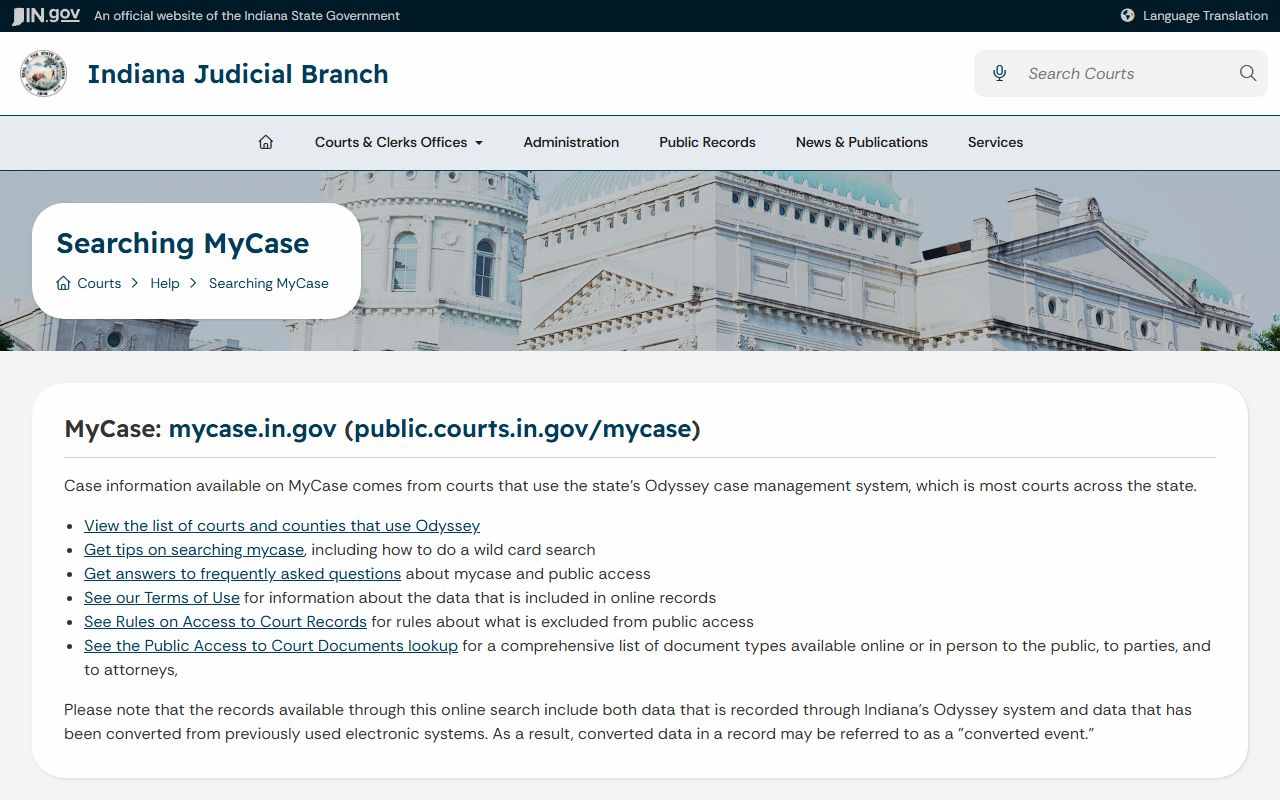
Use that limit before assuming a Fayette County court record does not exist. A missing online document often means the clerk must provide the next access channel.
Fayette County Court Offices
The main court building is the Fayette County Courthouse at 401 N. Central Avenue in Connersville. Local research places the County Clerk on the second floor north end, the Circuit Court on the second floor, the Superior Court on the second floor, and the Prosecutor on the first floor. The courthouse is the core destination for court record copies, hearings, filings, probate and guardianship questions, marriage-license follow-up, and criminal case activity.
The jail and sheriff's correctional facility are separate. Jail, booking, custody, and many warrant questions go to 123 W. 4th Street, also in downtown Connersville. That short distance can cause confusion, but the records split is clear: court filings and certified copies route through the courthouse, while custody and jail intake route through the sheriff and jail.
Fayette County Courthouse
401 N. Central Ave.
Connersville, IN 47331
Clerk: 765-825-1813
Fayette Superior Court
Courthouse, 2nd Floor
Connersville, IN 47331
765-825-1775
The official Fayette County government site is the county source for office pages and justice-system contacts.
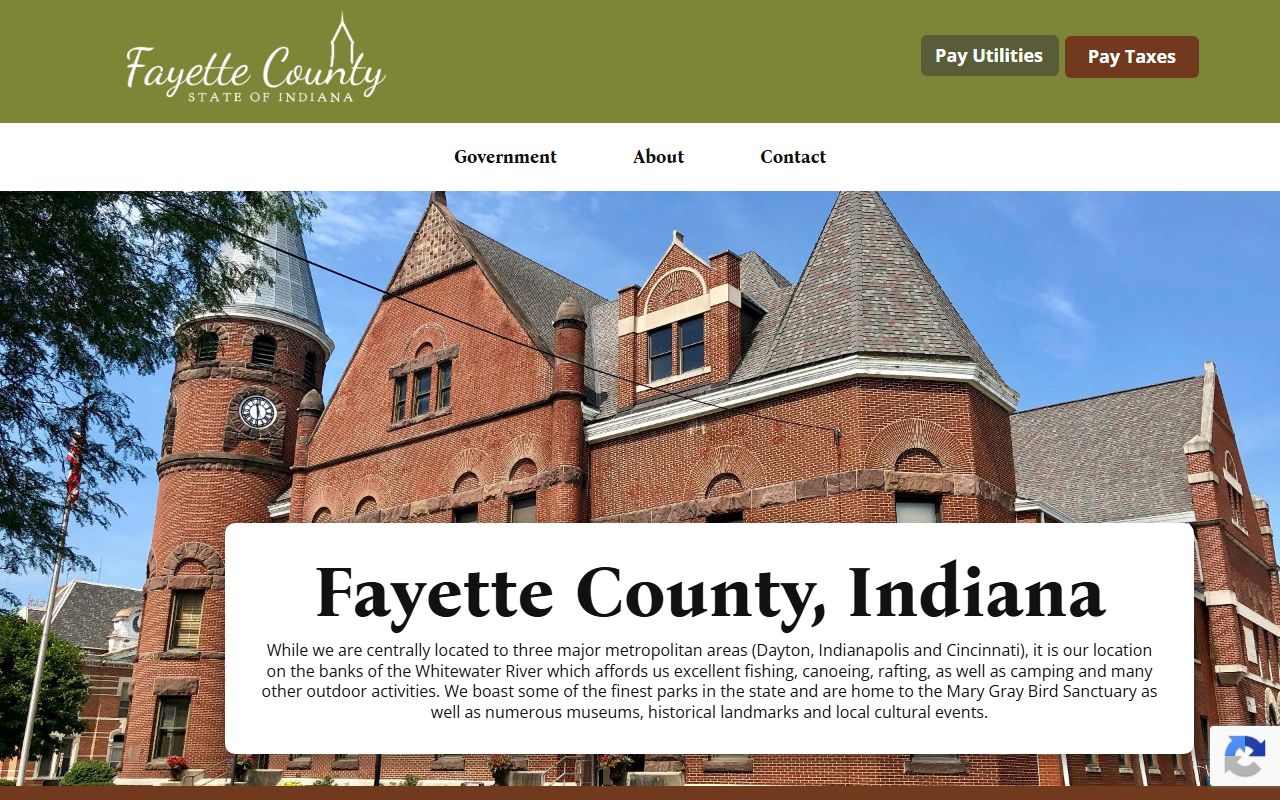
When a state portal gives only a case result, the county site gives the local office that can answer copy, hearing, or payment questions.
Fayette County Court System
Indiana county trial courts are circuit courts, superior courts, and, where locally created, city or town courts. Fayette County does not use a county-level district court. Local trial work is handled by Fayette Circuit Court and Fayette Superior Court, both in the courthouse. Appeals generally go to the Indiana Court of Appeals, while federal cases for Fayette County route separately to the U.S. District Court for the Southern District of Indiana, Indianapolis Division.
Fayette County is in Judicial District 18 with Franklin, Rush, Union, and Wayne counties. The local court table is compact compared with a metropolitan county, but the case mix is broad. Criminal, civil, family, probate, guardianship, traffic, infraction, small-claims, and judgment matters may all create entries in the local court record system.
| Court or Office | Official | Record Role |
|---|---|---|
| Fayette Circuit Court | Hon. Hubert Branstetter | Local trial-court docket for assigned civil, criminal, probate, family, and related cases. |
| Fayette Superior Court | Hon. Paul L. Freed | Local trial-court docket, including general civil matters noted on the official page. |
| Fayette County Clerk | Dawn Hughes | Clerk record counter, court payments, marriage links, guardianship links, and copy requests. |
| Fayette County Prosecutor | Bette Jones | State criminal charge filing, pleas, diversion or deferral where available, and sentencing recommendations. |
Case flow: filing or charge › Fayette Circuit or Superior Court › clerk docket and records › Indiana Court of Appeals when appealed.
The county government directory groups court, clerk, sheriff, jail, prosecutor, CASA, and community corrections links in one place.
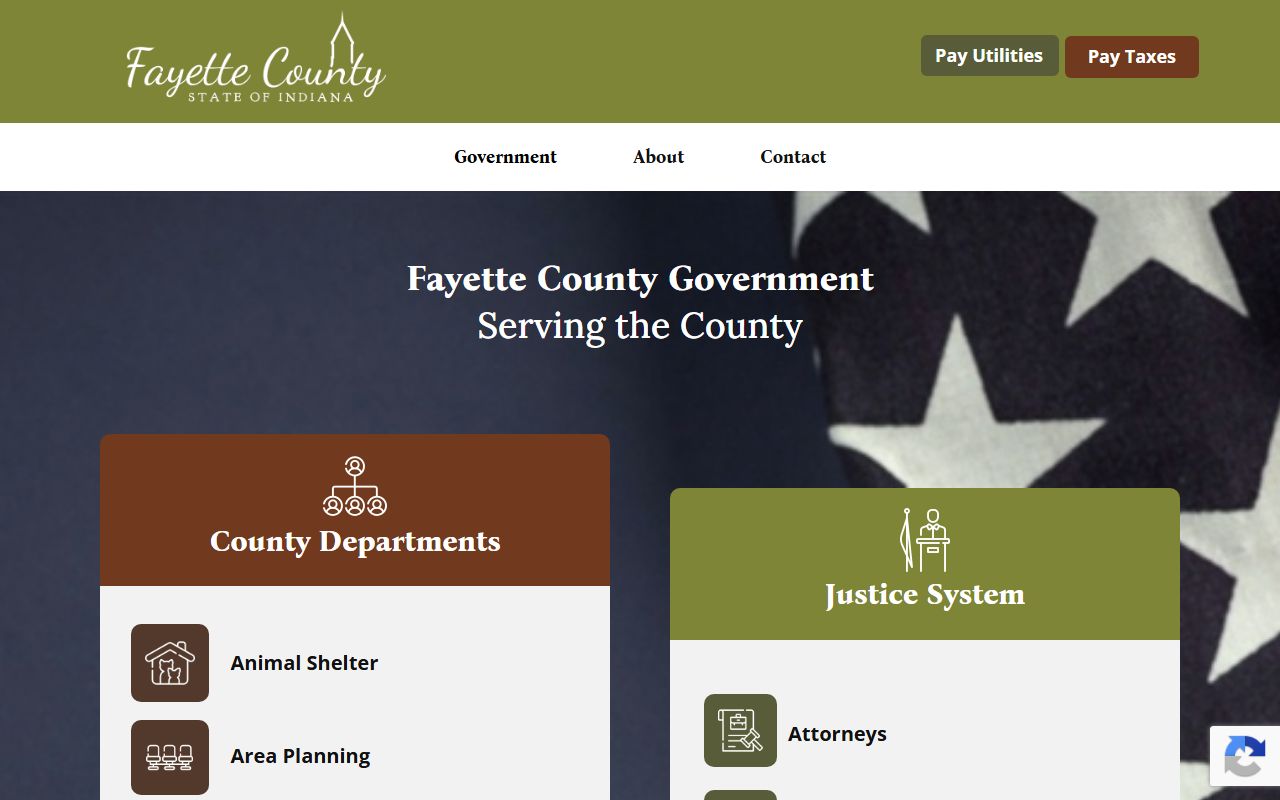
That directory confirms the local justice system is centralized across a small number of county offices rather than spread across many courthouse branches.
Fayette County Case Search Fields
Search quality depends on the fields used. A cause number is the best path when it is known because Indiana case numbers are structured and specific. A name search works when the case number is not available, but date of birth, county, court, case type, and date filters help prevent false matches. Attorney searches can help when a lawyer of record is known.
| Field Label | Type | Use | Notes |
|---|---|---|---|
| Search type | Tab or radio | Name, case, or attorney | Payment and citation workflows may also support citation or UTT details. |
| Last Name or Business Name | Text | Name search | Start with exact spelling, then broaden if needed. |
| Case Number or Cause Number | Text | Exact case search | Best field for a known Fayette County court case. |
| County | Dropdown or filter | Limit results | Select Fayette to reduce statewide duplicate names. |
| Case Type | Dropdown or filter | Narrow topic | May include criminal, civil, family, probate, small claims, or traffic categories. |
| Date Range | Date range | Narrow time | Useful when a common name returns too many results. |
The public MyCase application is the direct search screen for Fayette County case summaries.
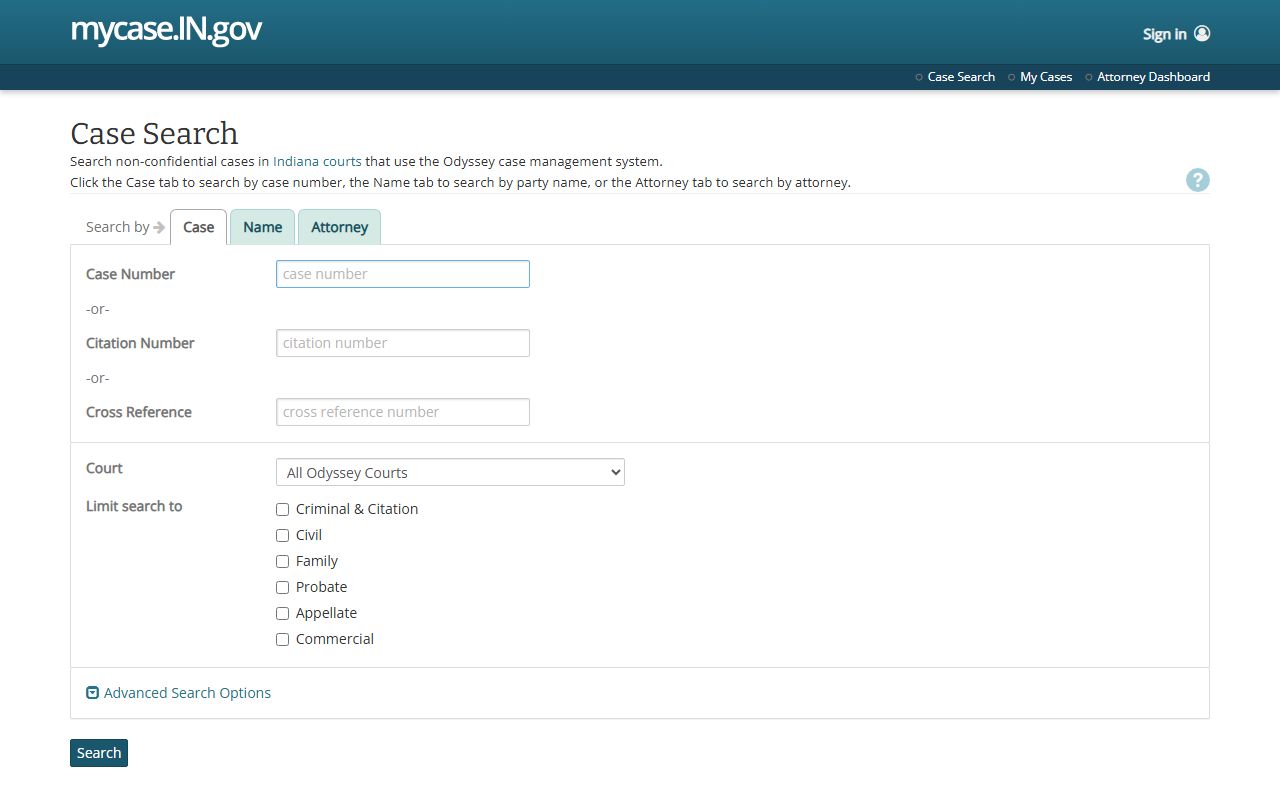
The statewide screen is the normal online entry point even when the next step is a local clerk call.
Fayette County Court Record Types
Fayette County court records can include civil suits, small claims, criminal cases, traffic and infraction matters, domestic relations, probate, guardianship, juvenile public subsets, judgments, and appeals-related filings. Each record type has a different public access profile. Criminal and civil case summaries are often public, while juvenile, adoption, medical, protected-person, sealed, and expunged records may be hidden or redacted.
Traffic and driving records are a common source of confusion. A court traffic case shows the citation, case number, hearing, violation, disposition, fine or cost, and payment status. A BMV driver record is separate and shows license status, points, suspensions, disqualifications, and convictions. One record does not replace the other.
- Civil records include complaints, summons, motions, orders, judgments, garnishments, and satisfaction entries.
- Criminal records include charges, hearings, pleas, dispositions, sentences, probation terms, and fines or fees.
- Family records include divorce, custody, support, and paternity records, with child and financial details often restricted.
- Probate and guardianship records include estate administration, wills, inventories, accountings, guardianship orders, and final reports.
- Traffic records include citations, infractions, court dates, judgments, and payment status after the ticket is filed.
The Indiana court public-records gateway links court records, traffic tickets, marriage lookup, jail custody tools, BMV records, and related resources.
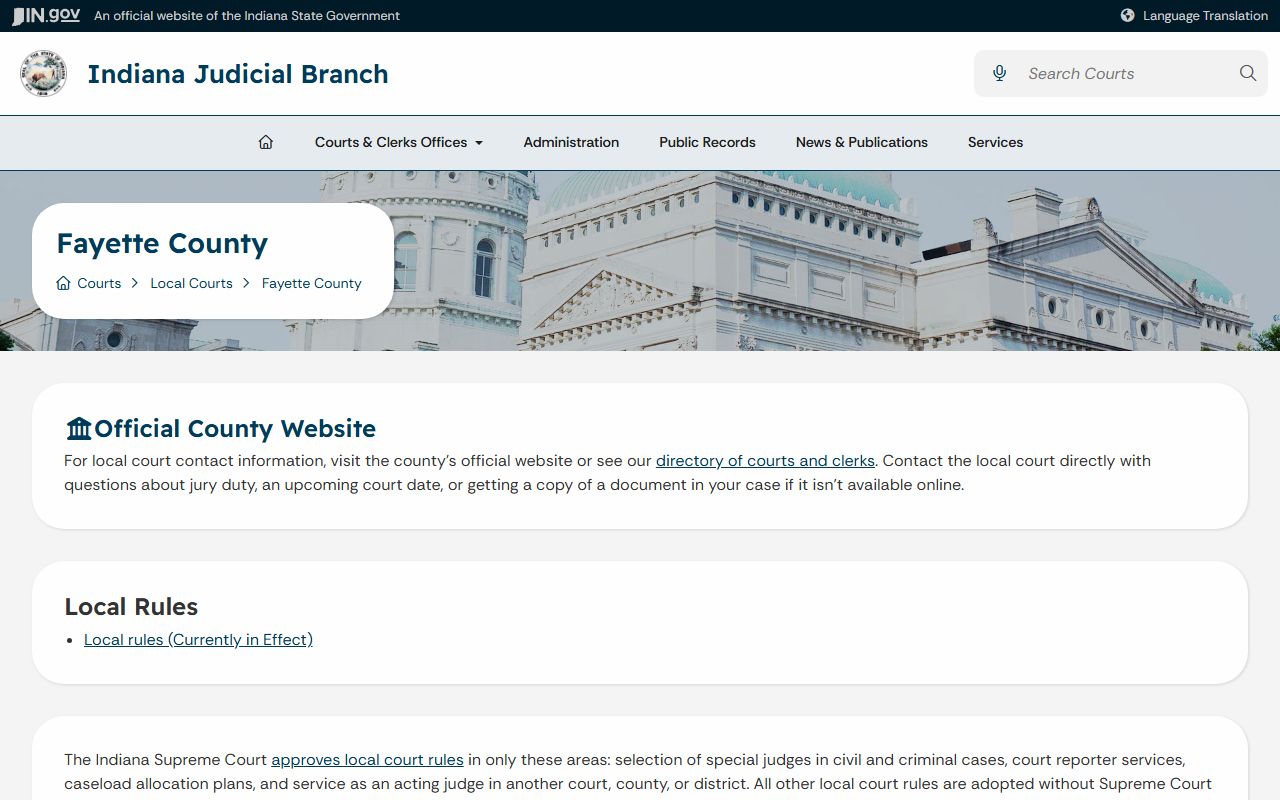
That source is useful because Fayette County records often require both a statewide tool and a county office follow-up.
What Fayette County Records Show
A public case summary is a map of the case, not a full file cabinet. It may show the case number, court, case type, filing date, status, parties, attorneys, charges or claims, docket entries, hearings, financial entries, and selected documents. A chronological case summary is the docket list. It records filings, orders, notices, continuances, warrants, hearings, judgments, payments, and other case events.
| Field | What It Means |
|---|---|
| Cause Number | Indiana's structured case number for the court matter. |
| Case Type | The category, such as felony, misdemeanor, infraction, civil, family, probate, or small claims. |
| Parties | Names and roles, such as State, plaintiff, petitioner, defendant, or respondent. |
| Chronological Case Summary | The dated list of filings, orders, hearings, notices, warrants, and payments. |
| Disposition | The outcome of a charge, claim, or case event. |
| Financials | Fines, costs, fees, restitution, payments, credits, and balances when shown. |
- Disposition
- The result of a charge or case, such as dismissed, judgment entered, guilty plea, or conviction.
- Order
- A judge's written ruling or direction in the case.
- Sealed record
- A record removed from general public access by statute or court order.
- Expungement
- A legal process that limits public access to eligible arrest, charge, or conviction records.
Fayette County Certified Copies
The Fayette County Clerk is the local record custodian for trial-court filings. Dawn Hughes is the elected County Clerk, and the office is listed on the courthouse second floor north end. Published clerk hours are weekdays from 8:00 a.m. to 4:00 p.m., Wednesday to 5:00 p.m., Thursday to 12:30 p.m., with a daily lunch closure from 12:00 p.m. to 1:00 p.m. The main phone is 765-825-1813 and the email is clerk@co.fayette.in.us.
No Fayette-specific copy request form or full local fee schedule was found in the official county pages. A practical mailed or emailed request should give the requester's contact information, case number if known, party names, approximate filing year, court if known, record type, plain or certified copy request, delivery method, and a request for current fees before payment is mailed.
| Item | Published Status |
|---|---|
| Plain court copy fee | Not located in Fayette official sources. Confirm with the clerk. |
| Certified court copy fee | Not located in Fayette official sources. Confirm with the clerk. |
| Marriage copy fee | Not located in Fayette official sources. Confirm with the clerk. |
| BMV Official Driver Record | $4 through the Indiana BMV, separate from court records. |
| BMV subscription license record | $12 online fee through IN.gov, separate from court records. |
The Fayette County Clerk page publishes the local clerk contact block and links court payment, marriage, adult guardianship, and child support resources.
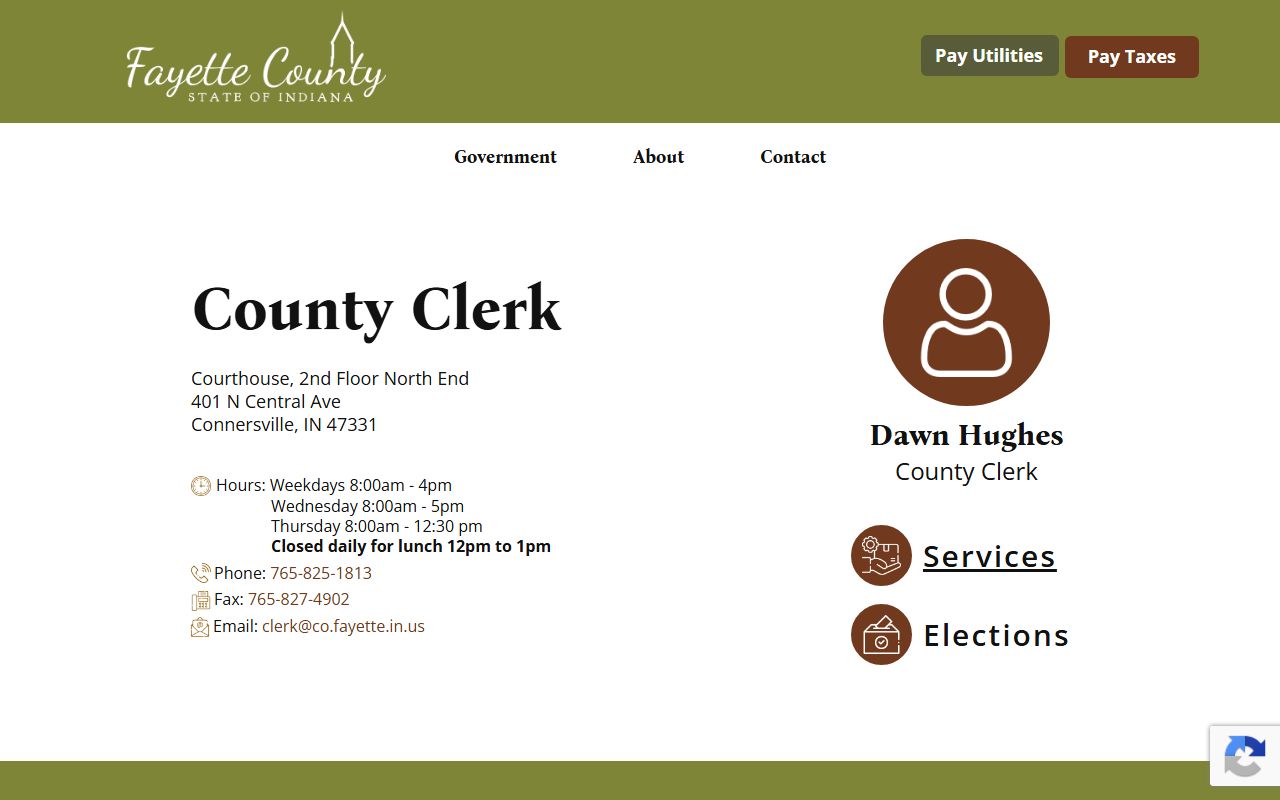
For any record that cannot be downloaded online, this office is the first local place to confirm copy access and fees.
Fayette County Criminal Records
Adult criminal cases are court records after charges are filed in Fayette Circuit Court or Fayette Superior Court. The prosecutor files charges for the State of Indiana, and the court record may show charge descriptions, statute citations, severity levels, pleas, dispositions, sentencing, fines, probation terms, warrants, and compliance events. A booking or jail entry is different. It may show custody status, intake details, or bond information, but it is not the full court case file.
Fayette County Sheriff Zac Jones and the jail are based at 123 W. 4th Street, Connersville. The jail phone is 765-825-1110. No official Fayette online active-warrant list or official sheriff mobile app was located. Warrant verification should use the sheriff or jail, the clerk for court-case warrant entries, MyCase docket entries, and counsel when needed.
The Fayette Circuit Court page gives the local court contact details used for many Fayette County criminal court records.
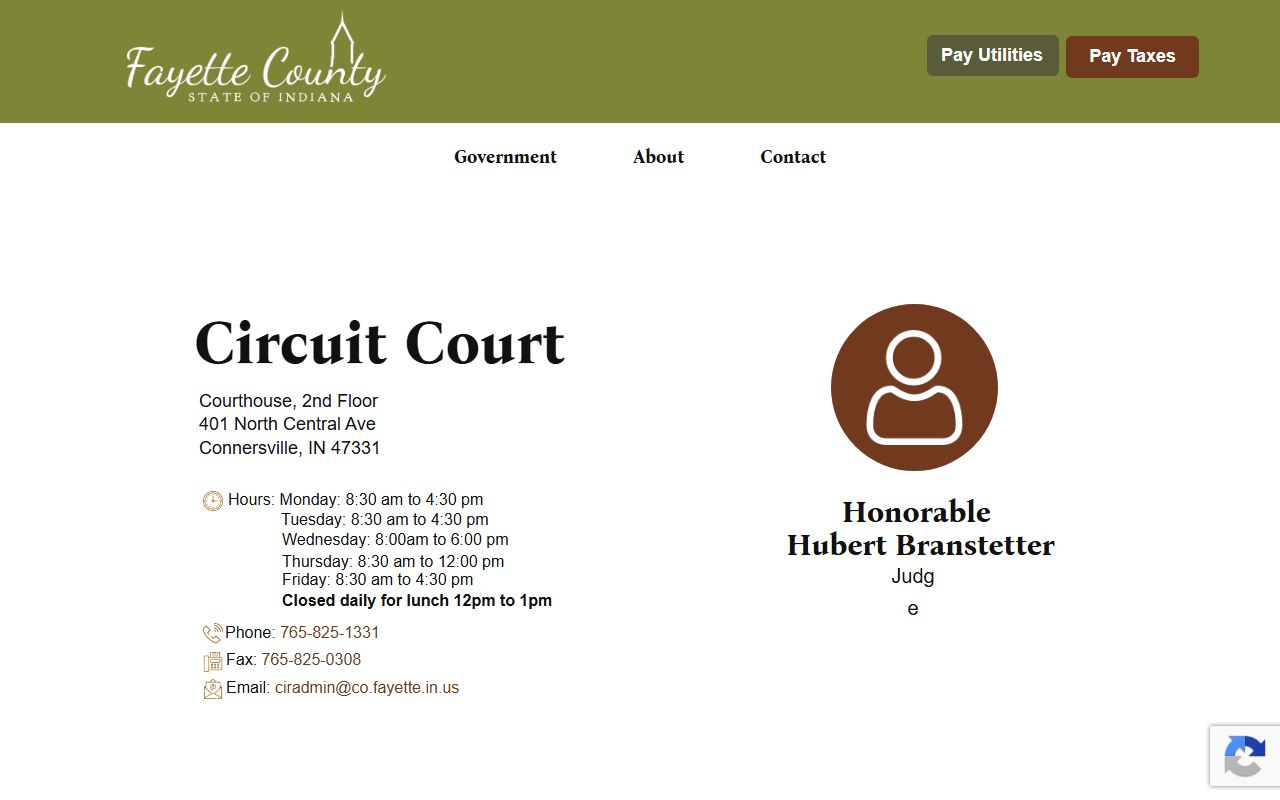
Court contact details matter when an online criminal entry shows a hearing, warrant, or balance that needs current confirmation.
Fayette County Inmate Records
County custody searches start with the Indiana County Jail Public Portal when a person may be in a participating county jail. Indiana SAVIN can also be used for offender search and notification by name, offender identification number, or cause number. State-prison custody is separate from Fayette County Jail custody and should be searched through the Indiana Department of Correction when a person has been sentenced to state prison.
The Fayette County Jail page gives the correctional facility address at 123 W. 4th Street, phone 765-825-1110, fax 765-825-0901, and jail email. Local research did not locate a published visitation schedule, commissary rules, or mail policy in official Fayette pages, so those details should be confirmed by phone before a visit or deposit. For a deeper custody workflow, use the Fayette County inmate records page from the navigation.
The Fayette Superior Court page is another local court source when a jail or criminal case has been assigned there.
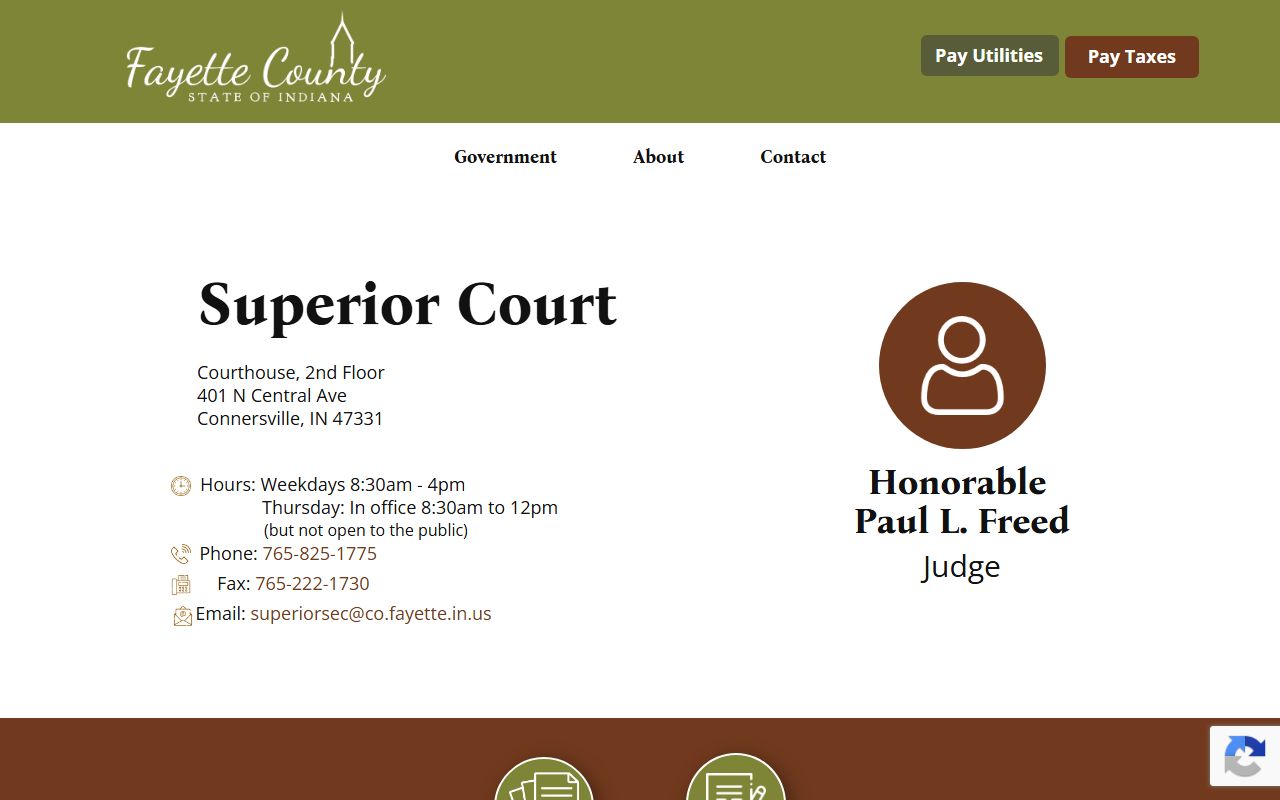
Jail records and court records often connect through the same defendant name or cause number, but the custody office and court clerk answer different questions.
Fayette County Family Records
Marriage licenses are handled through Indiana county clerks. The Indiana Marriage License Public Lookup can search many 1993-present records by applicant name, year range, and county issued. The research notes that "County Issued" means where the couple applied for the license, not where they live now. For certified marriage copies, current fees, ID rules, appointment status, and return process, contact the Fayette County Clerk.
Divorce records are court records, not routine state vital-record lookups. Search MyCase by name or cause number, then contact the clerk for certified divorce decrees, older files, or missing documents. Probate and guardianship matters are also local court dockets within Fayette Circuit/Superior and the clerk system. Medical, protected-person, minor, and financial details may be restricted even when the case itself can be found.
The MyCase landing page is the shared search route for public divorce, probate, guardianship, civil, criminal, and traffic case information.
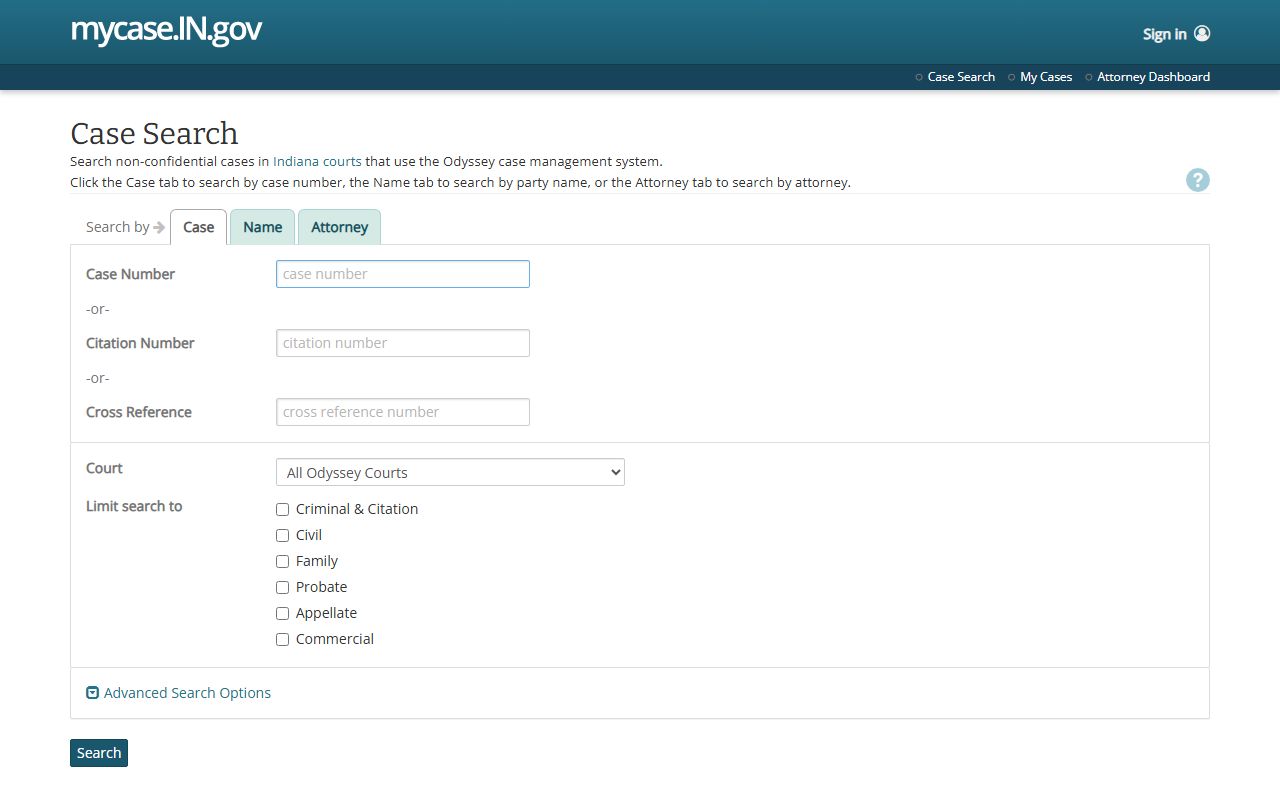
Because several record types share the same search portal, the case type and court filters are often what separate a divorce record from a probate or traffic matter.
Fayette County Public Access Rules
Indiana law starts with public access, then removes or redacts specific categories. IC 5-14-3, the Access to Public Records Act, is the general public-records law. Court records also follow Indiana Administrative Rule 9 and the Indiana Rules on Access to Court Records. Those rules explain courthouse access, remote electronic access, excluded records, sanctions, and the path for requesting access to excluded court records.
Key Statutes and Rules:
Indiana Administrative Rule 9 explains courthouse availability and limits on remote electronic court access.
Access to Court Records Rule 5 lists records and information excluded from public access.
Access to Court Records Rule 9 gives the procedure for seeking access to an excluded court record.
Restricted categories include juvenile case records, granted expungements, sealed records, adoption files, mental-health or medical records, protected addresses, Social Security numbers, account numbers, and other personal identifiers. Fayette County users should not assume a blank online search means no case exists. A case may be restricted, sealed, too old for online display, filed under a different name, or held in a document set that requires clerk review.
The Indiana Rules on Access to Court Records index is the official rule hub for these limits.
Use the rules to separate a public case summary from a document that cannot be released to the general public.
Fayette County Court Limits
Online entries may lag behind the courtroom or clerk counter. Payments can post later than a hearing, a warrant can be served or recalled before the docket text is easy to read, and older documents may never have been scanned for public download. Certified copies, official balances, and record corrections should be handled through the originating court or clerk rather than through a statewide search screen alone.
Note: Confirm time-sensitive hearings, warrant status, and payment balances with the court, clerk, sheriff, or counsel before acting.
The courthouse itself is part of the record story. Fayette County was organized in 1819, and Connersville is the county seat. Historic state material identifies the courthouse as having an 1849 core incorporated into a major 1890-1891 reconstruction with Romanesque Revival character, red brick, a prominent clock tower, and a courthouse-square setting. The same building still houses the clerk, courts, and prosecutor.
Fayette County Court FAQ
Can Fayette County court records be searched online?
Yes. Public case summaries are searched through Indiana MyCase. Some documents are available online, but not all filings are downloadable. Certified copies, older records, and unavailable documents must be requested through the Fayette County Clerk or the court that holds the official record.
Does Fayette County have a district court?
No county-level district court name is used in Indiana. Fayette County trial matters are handled by Fayette Circuit Court and Fayette Superior Court. Federal district court matters are separate and route to the Southern District of Indiana.
Where are Fayette County warrants searched?
No official county active-warrant list was located. Check MyCase for warrant docket entries, call the sheriff or jail for custody and warrant questions, and contact the clerk for court-case warrant issues. Counsel can help with appearance, bond, or recall questions.
Are divorce records held by vital records?
Divorce files are court records. Search MyCase first, then request certified decrees or older divorce documents from the Fayette County Clerk. Marriage licenses use a separate Indiana marriage lookup and clerk confirmation path.